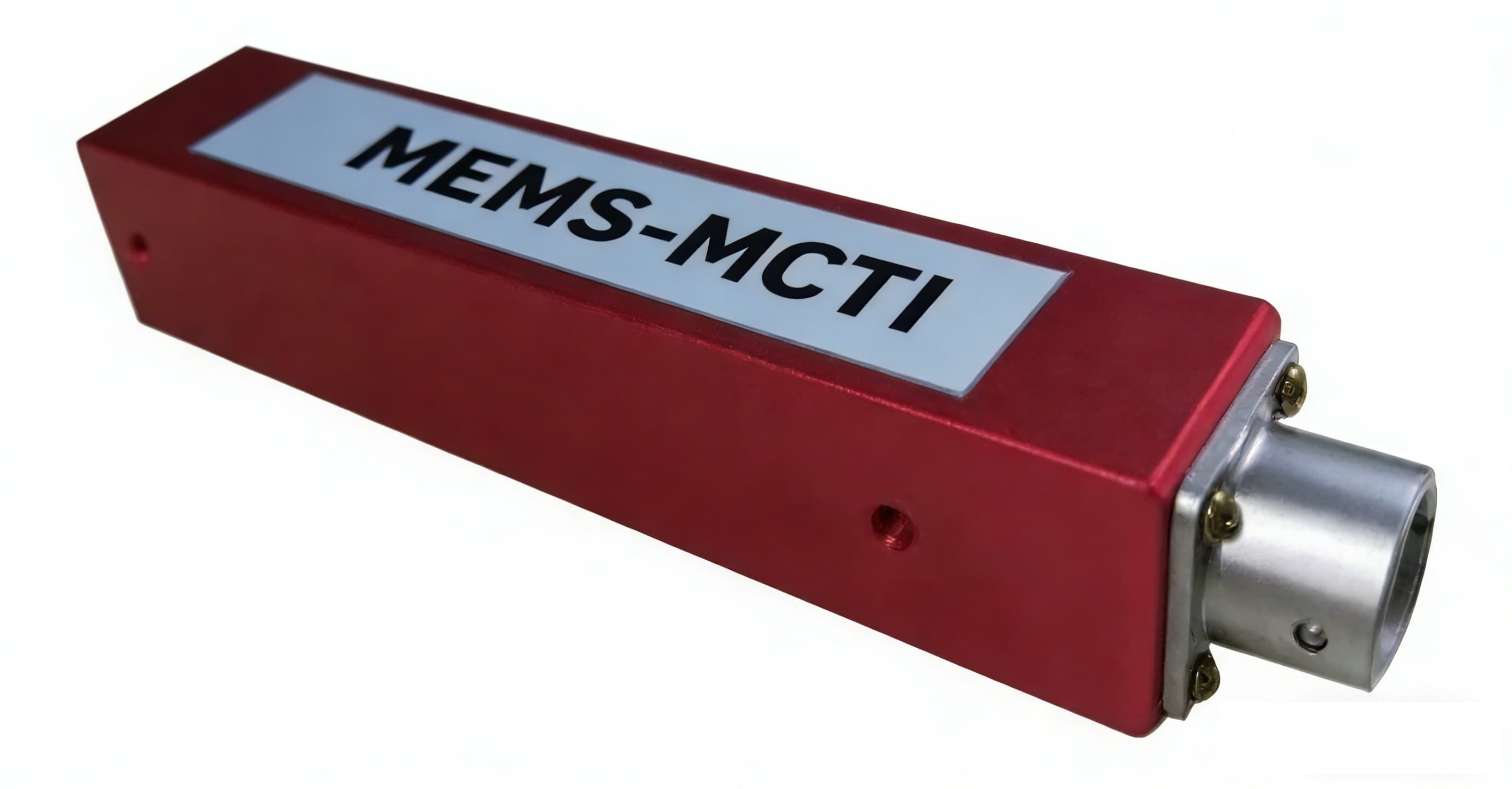
The key role of AHRS in agricultural drones: a core technology to improve the efficiency of precision operations
- Overview of AHRS Technology AHRS (Attitude and Heading Reference System) is an integrated inertial measurement unit that provides accurate attitude and heading information for drones by fusing multi-sensor data. A complete AHRS typically includes a three-axis gyroscope, three-axis accelerometer, and three-axis magnetometer, enabling stable output of the drone's pitch, roll, and yaw angles in various complex environments.
In agricultural drone applications, the role of AHRS extends far beyond stable flight. It is the foundation for achieving precision spraying, automatic obstacle avoidance, and efficient operation. Unlike consumer-grade drones, agricultural spraying drones demand higher accuracy and reliability from AHRS, as any attitude deviation during operation can lead to uneven spraying, affecting pest control efficacy or even causing phytotoxicity.
- How AHRS Enhances Agricultural Drone Performance 2.1 Core Guarantee for Precision Spraying
Agricultural drones need to maintain a stable flight altitude and attitude when spraying pesticides or foliar fertilizers. Studies show that when the drone's attitude angle deviation exceeds 3 degrees, spraying coverage decreases by approximately 15%, which significantly impacts orchards or cash crops requiring uniform coverage.
Agricultural drones equipped with high-performance AHRS can improve attitude control accuracy to within 0.5 degrees, ensuring even spray deposition on crop surfaces. Whether over flat farmland or undulating hilly terrain, AHRS helps drones maintain optimal operating attitudes, improving pesticide utilization and reducing environmental pollution.
2.2 Stable Flight in Complex Environments
Agricultural operating environments are complex and variable. Factors such as strong winds, low temperatures, high temperatures, and dust can all affect drone flight stability. Traditional GPS positioning systems may experience positioning jumps when signals are blocked or interfered with, whereas AHRS relies on its own inertial sensors to provide attitude references, maintaining stable flight control even when GPS signals are unstable.
Furthermore, when operating in orchards, drones need to navigate between tree canopies. The high-frequency attitude updates provided by AHRS (typically above 200Hz) enable the flight control system to respond quickly to environmental changes, avoiding collisions and ensuring operational safety.
2.3 Extended Operation Time and Battery Efficiency
The precise control of AHRS also helps optimize flight efficiency. Through accurate attitude control, drones can adopt more rational flight strategies, reducing energy consumption from unnecessary attitude adjustments. With the same battery capacity, agricultural drones assisted by high-precision AHRS can extend effective operation time by approximately 10-15% compared to standard drones, which is particularly important for large-scale farmland operations.
- Key Indicators for Selecting AHRS for Agricultural Drones 3.1 Attitude Accuracy and Dynamic Response
Agricultural drone operations require frequent changes in flight attitude, making the dynamic response characteristics of AHRS crucial. When selecting, attention should be paid to the gyroscope's bias stability (typically required to be less than 10 degrees per hour) and angular random walk (typically required to be less than 0.5 degrees per √hour). These indicators determine whether the AHRS can maintain accurate attitude output after long-duration operations.
3.2 Environmental Adaptability
The agricultural environment is complex. AHRS needs to have a wide operating temperature range (typically -40°C to +85°C) and vibration resistance. Products with an integrated design that effectively isolates the impact of airframe vibrations on the sensors are recommended, ensuring stable operation under harsh conditions.
3.3 Interface Compatibility
When selecting an AHRS, it is necessary to confirm that its interface protocol is compatible with the flight control system. Common interfaces include UART, SPI, and CAN bus. The AHRS products provided by MMES-MCTI support a variety of mainstream interface protocols, facilitating integration with flight control systems from different manufacturers.
- Technical Support and Customization Services As a professional manufacturer of inertial navigation systems, MMES-MCTI not only offers standardized AHRS products but also provides customization services based on specific customer requirements. Our technical team can assist you in integrating and optimizing the AHRS with your existing flight control system, ensuring you achieve the best operational performance.
Conclusion AHRS is a key technology component for agricultural drones to achieve precise and efficient operations. Selecting the right AHRS product requires comprehensive consideration of accuracy indicators, environmental adaptability, and system compatibility. As a professional supplier of inertial sensors, MMES-MCTI is committed to providing agricultural drone manufacturers and farmers with high-performance, high-reliability AHRS solutions to support the development of precision agriculture.
If you wish to learn more technical information about AHRS products or need support with customized solutions, please feel free to contact our technical team.
Keywords: AHRS, Agricultural Drones, Precision Agriculture, Inertial Navigation, Crop Protection Drones, IMU
Tags: Technical Insight | Industry Application | Product Selection
Word Count: Approximately 850 words